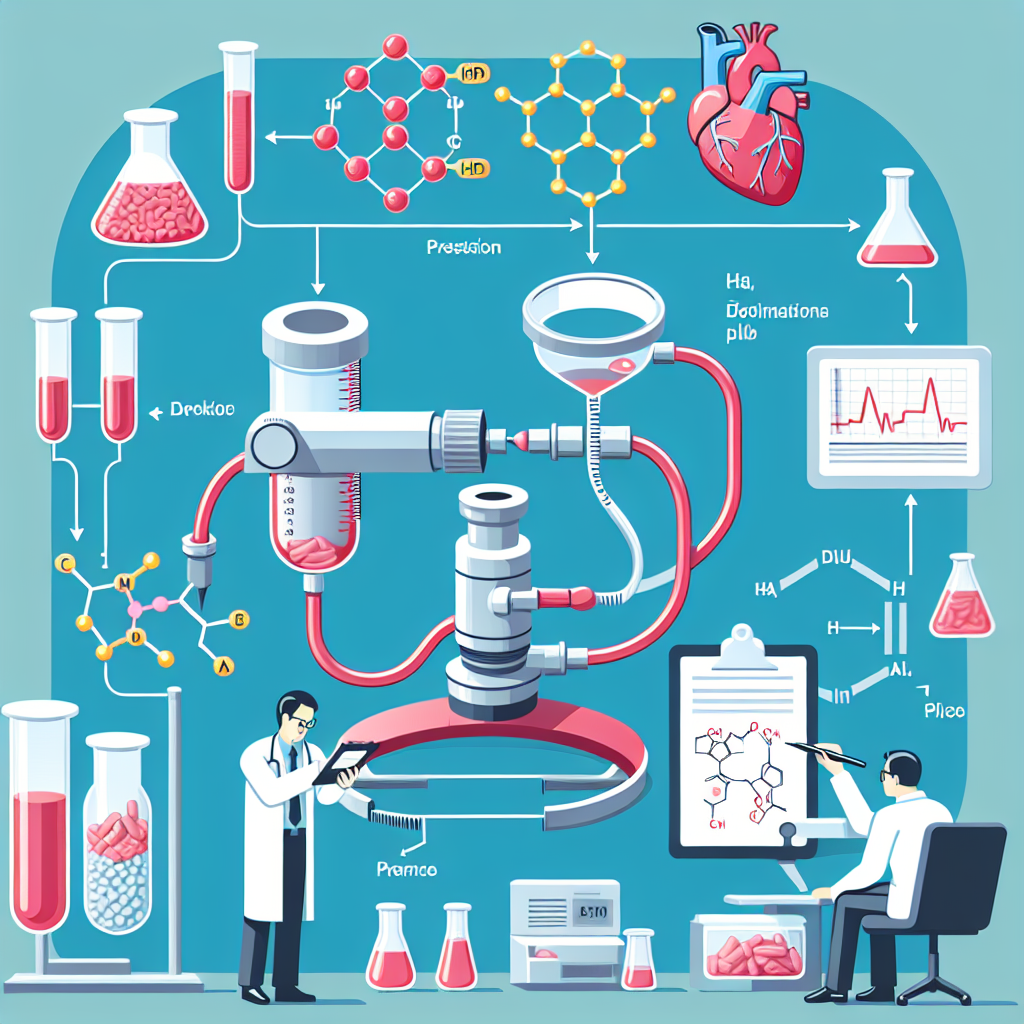
Gonadotropin is an essential hormone in the field of sports pharmacology, especially for athletes and bodybuilders. Known for its role in stimulating the gonads, gonadotropin is often used in therapeutic protocols to enhance performance and recovery. Understanding its mechanisms, applications, and potential side effects is crucial for anyone considering its use.
Detailed information about Gonadotropin can be found at Gonadotropin Before and after – a comprehensive resource for sports pharmacology in England.
What is Gonadotropin?
Gonadotropin refers to a group of hormones that are critical in regulating the reproductive system. The primary types include Luteinizing Hormone (LH) and Follicle-Stimulating Hormone (FSH), both of which are secreted by the anterior pituitary gland. These hormones play a vital role in the development and functioning of the ovaries and testes.
Applications of Gonadotropin
Gonadotropin has various applications in both medical and athletic contexts:
- Hormonal Therapy: Used to treat hormonal imbalances and infertility.
- Performance Enhancement: Athletes may use it to mitigate the side effects of anabolic steroid use, particularly during the post-cycle therapy phase.
- Recovery Aid: Helps in the recovery of natural testosterone production after a steroid cycle.
Potential Side Effects
While gonadotropin can provide benefits, it is important to be aware of potential side effects:
- Hormonal imbalances leading to mood swings and other psychological effects.
- Possible allergic reactions.
- Water retention and other fluid-related issues.
- Long-term hormonal disruption if not used responsibly.
Conclusion
In summary, gonadotropin is a powerful hormone that plays a significant role in various aspects of hormonal management and performance enhancement. However, it is vital to approach its use with caution and seek professional guidance to avoid potential risks. Understanding its functions and applications will help users make informed decisions.